|
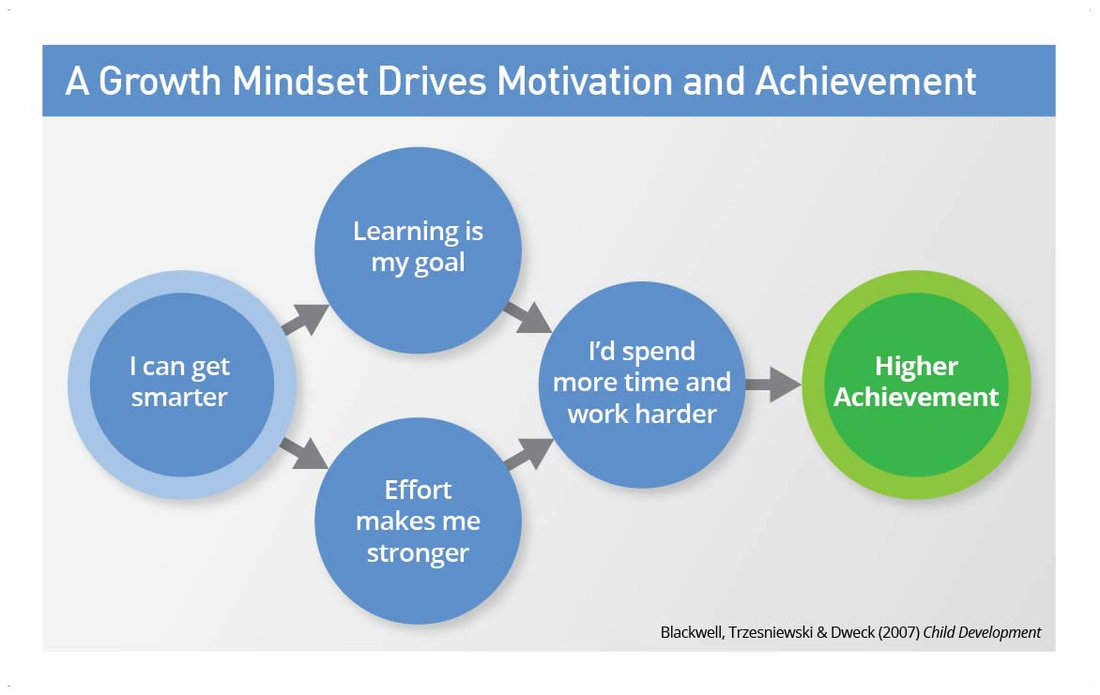
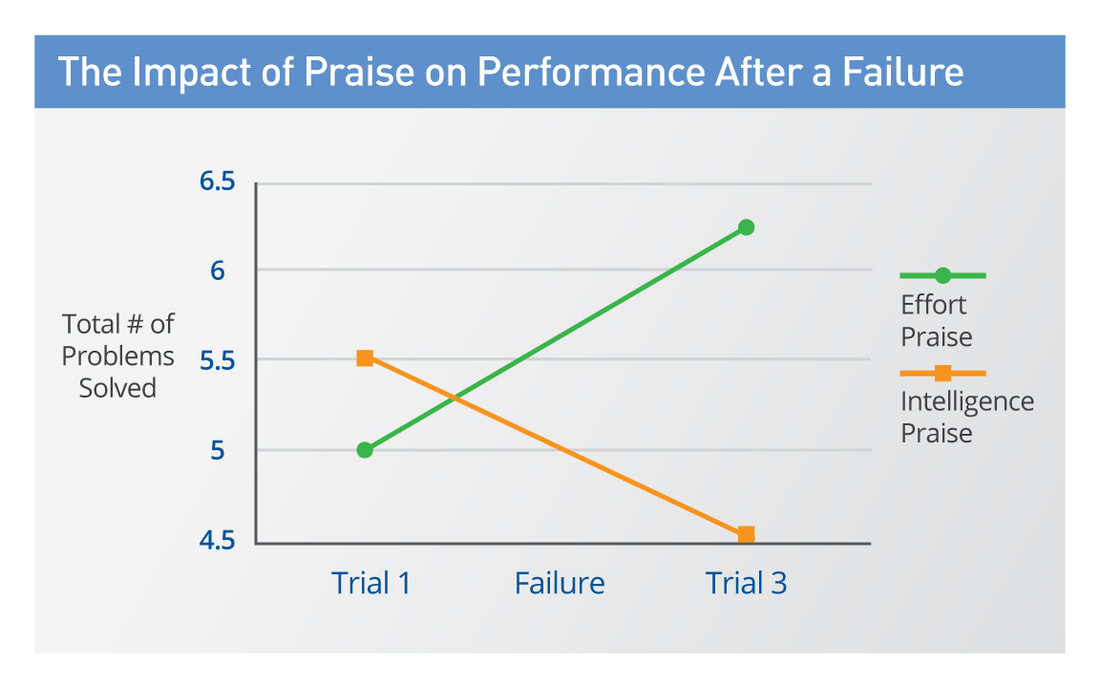
Throughout the year, our students will be bringing home report cards and various projects. There is a wide variety of parental responses to the work that students show them. You may choose to reward your child with compliments on intelligence, or buy a treat as an indulgence. You may express disappointment or even get angry. Is there a better way? How can we speak to children about their learning constructively at home? · How can you, as parents, respond to these assessments? · How can you help your child develop a growth mindset based on your feedback and that of his/her teacher? Feedback can shape a child’s beliefs about him/herself. If the feedback is egocentric (feeding the ego with compliments), it can produce unrealistic ideas about self. Or it can decrease motivation or resilience to yield a child who looks for the easy way out more often than not (Mindset Works, 2017). For instance, praising your child for being such a smart kid rather than for working hard and putting in a lot of effort. On the other hand, if teachers and parents focus on feedback that is non-egocentric, both motivation and resilience increase. This kind of feedback focuses on skills, effort, perseverance, goal setting and accepting challenges through which your child will develop a growth mindset. This kind of person accepts challenges, does not give up easily and is highly motivated. A fixed mindset person can be defined as… “In a fixed mindset, people believe their basic qualities, like their intelligence or talent, are simply fixed traits. They spend their time documenting their intelligence or talent instead of developing them. They also believe that talent alone creates success—without effort. They're wrong (Dweck, 2010).” While a growth mindset person is defined as… “In a growth mindset, people believe that their most basic abilities can be developed through dedication and hard work – brains and talent are just the starting point. This view creates a love of learning and a resilience that is essential for great accomplishment. Virtually all great people have had these qualities (Dweck, 2010).” Over the last couple years, I’ve been consciously trying to develop my own skills for giving better feedback, even to my own young adult son and daughter. I look for ways to support them so I can challenge them to continue to grow as human beings rather than just feeding them with compliments. If you’re interested in learning more, you can continue to read some of these sites referenced below or download the book by Carol Dweck on your Kindle reader, Mindset. For examples of ways to give feedback, click here. Praise effort, not intelligence
Dweck, C. (2010). What is mindset? Retrieved from https://mindsetonline.com/whatisit/about/
Mindset Works (2017). Dr. Dweck’s discovery of fixed and growth mindsets have shaped our understanding of learning. Retrieved from https://www.mindsetworks.com/science/
0 Comments
Leave a Reply. |
AuthorAs an international educator, I work with colleagues in my local and global network regularly to implement inquiry through concept-based approaches to learning and teaching. It is a journey of discovery, learning and growing our own understandings about the ways children learn. Categories
All
Archives
March 2020

|
 RSS Feed